

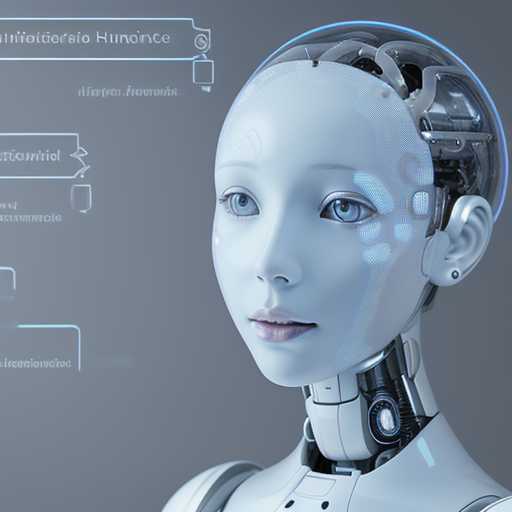
Artificial Intelligence (AI) is transforming the way businesses operate, and while it’s often associated with job creation, it can also contribute to job loss in certain situations. There are several ways AI can impact employment:
- Automation: AI can automate routine tasks that were previously done by human workers, making those jobs redundant. For instance, customer service jobs in call centers have been affected by AI-powered chatbots and virtual assistants that can handle simple queries without human intervention.
- Improved efficiency: AI can help companies streamline processes and become more efficient, which can lead to restructuring and job losses as a result of increased productivity. For example, AI algorithms can analyze data and make predictions, freeing up employees from tedious data entry tasks.
- Job displacement: AI technologies may displace workers in some fields, such as transportation, manufacturing, and certain administrative roles. Self-driving cars, for example, could reduce the need for truck drivers and taxi drivers, while manufacturing robots can replace workers on assembly lines.
- Merging roles: AI can lead to the merging of roles, resulting in some jobs being eliminated. For example, data entry and clerical tasks can be performed by AI, leading to the elimination of administrative roles.
- Cost reduction: Companies may use AI to reduce costs, which could lead to job cuts. For instance, if a company adopts an AI system that can perform the work of several employees at a lower cost, it might choose to lay off some workers.
Here’s an example: In 2018, Ford Motor Company announced that it would be investing in AI and automation, which led to concerns about job losses among its workers. Although the company has implemented AI in some processes, it has also worked to retrain workers for new roles within the company and partnered with educational institutions to provide training programs for employees affected by technological changes.
It is essential for workers to continuously update their skills and adapt to new technologies to stay employable in an AI-driven world. Governments and organizations should also invest in reskilling programs and create policies to ensure a smooth transition for workers impacted by AI.