

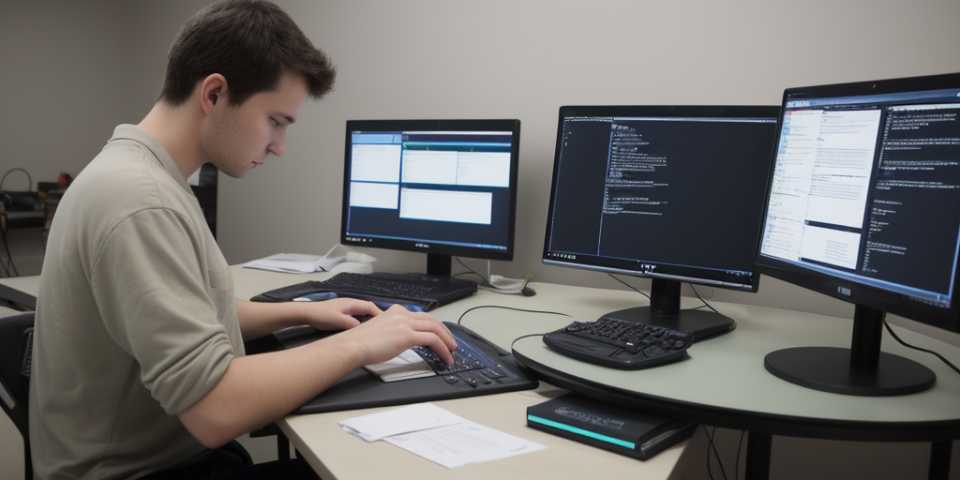
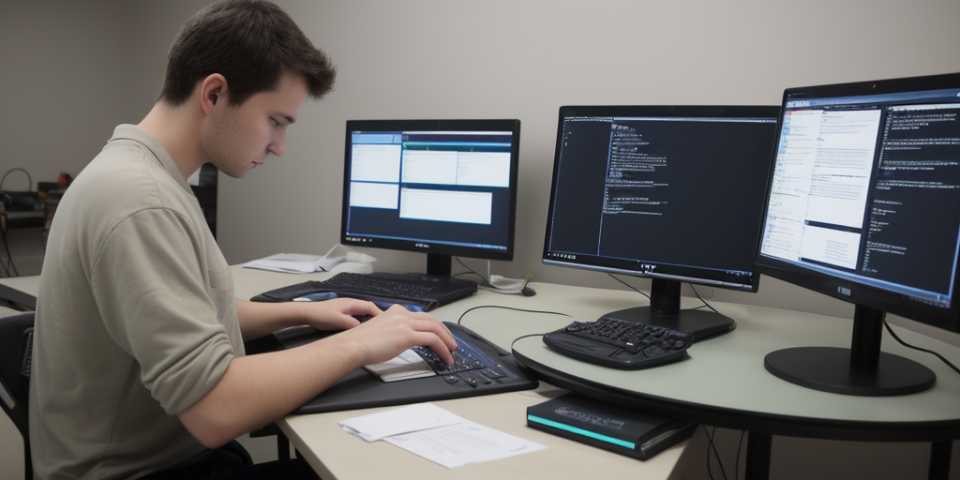
Mastering programming skills is a continuous learning process that requires dedication, practice, and a growth mindset. Here are some strategies to help you accelerate your progress:
- Set Specific Goals: Establish clear and achievable goals for your learning journey. Break them down into smaller, manageable milestones that you can track and celebrate.
- Choose a Language and Focus on It: Select a programming language that aligns with your career goals or personal interests, and focus on mastering it. This allows you to build deep expertise and understanding, rather than spreading yourself thin across multiple languages.
- Learn by Doing: Practical experience is crucial for mastering programming skills. Look for opportunities to apply your knowledge through personal projects, open-source contributions, or small freelance gigs. The more you code, the more confident and proficient you will become.
- Read and Study Code: Examine existing codebases, both to learn from experienced programmers and to understand how different components work together. This will give you a deeper understanding of best practices and common patterns in your chosen programming language.
- Utilize Online Resources: Take advantage of the wealth of free educational resources available online, such as tutorials, videos, podcasts, and forums. Websites like Stack Overflow, GitHub, FreeCodeCamp, and edX offer valuable content for learners at all levels.
- Participate in Coding Challenges and Competitions: Websites like HackerRank, LeetCode, and Codewars offer challenging coding problems that help you hone your skills and think critically about solutions. Competing against others can also provide motivation and accountability.
- Attend Workshops and Conferences: Attend local meetups, workshops, or conferences related to your chosen programming language or technology stack. Networking with other developers can provide valuable insights, mentorship, and collaboration opportunities.
- Learn from Experienced Developers: Seek out mentors or join communities where you can learn from experienced programmers. Ask questions, share your progress, and be open to feedback.
- Focus on Core Concepts: Prioritize learning core concepts, such as algorithms, data structures, and design patterns, as these are foundational elements that apply across various programming languages.
- Be Patient and Consistent: Mastering programming skills takes time and dedication. Set aside regular, consistent blocks of time for practice and learning, and celebrate small victories along the way.
Remember, everyone learns at their own pace. Comparing yourself to others is unhelpful and demotivating. Focus on your own progress, celebrate small wins, and stay committed to your goals. With persistence and a growth mindset, you will continue to improve your programming skills over time.